A full kitchen renovation seems like a straightforward way to elevate your kitchen’s design and functionality. However, it often comes with a surprising amount of waste behind the scenes. Typical renovations involve tearing out old cabinets—even those that are still in good condition—and sending them to landfills, often because they no longer fit the homeowner’s style.
With millions of tons of construction and demolition debris entering the waste stream and being sent to landfills, it’s a good practice to limit waste during kitchen makeovers. One way to do so is through solid wood cabinet refacing, which reduces waste by preserving parts of your cabinetry that still work, allowing you to elevate your kitchen sustainably.
What Is Solid Wood Cabinet Refacing and How Does It Work?
Cabinet refacing enhances your kitchen’s looks and functionality at a fraction of the cost of a complete tear-out replacement project.
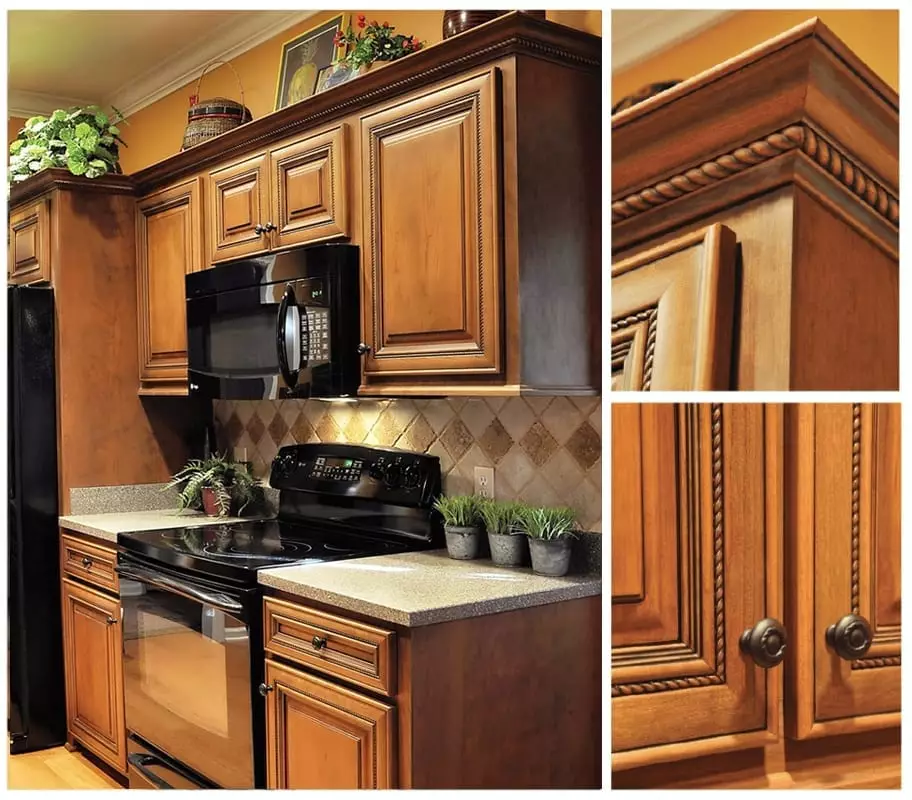
It preserves much of the cabinet boxes that are still in good condition while refacing them with new 1/4″ premium solid wood. Old doors and drawer fronts are replaced with brand-new, custom-made solid wood doors and drawer fronts. All pulls and mounting hardware are replaced. Solid wood cabinet refacing also allows you to perform other customizations, such as:
- Modify your cabinetry’s configuration
- Add new cabinets
- Expand your cabinets’ storage
- Add space for new appliances
- Install under-cabinet lighting
- …and many, many more!
What’s more, choosing select-grade solid wood for cabinet refacing over laminates and other inferior materials ensures your refaced cabinets stand the test of time, reducing the need for constant repairs and replacements.
While new countertops are typically optional with solid wood refacing, they are not required – unlike typical renovation where cabinets are torn out and replaced, requiring new countertops. Keeping existing countertops in place when refacing a kitchen further reduces waste.
The environmental benefits of kitchen cabinet refacing go beyond lower material usage. It also allows you to save on the fuel and energy used to manufacture and transport more materials, further expanding the project’s sustainability.
The Landfill Problem With Full Cabinet Replacement
Tearing down cabinets during a kitchen renovation often means that most, if not all, of the demolished materials go to the landfill, even if they’re still structurally sound. Beyond that, full replacement projects can also create additional problems, making it a wasteful approach compared to refacing.
Trim and Flooring That Shouldn’t Have to Go
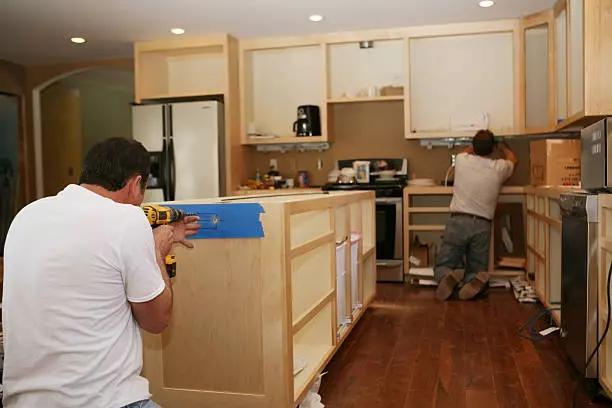
“Footprint mismatch” is a common issue contractors face during replacement projects. Cabinets are typically integrated with the rest of your kitchen’s structure, including its flooring, trim, and backsplash.
As a result, new cabinets don’t always align perfectly with your old kitchen layout, leaving gaps in the surrounding elements. Contractors might even accidentally damage these materials in the process. You may have to replace them, which will increase the project’s costs, labor, waste, and duration.
Demolition Debris Adds Up Faster Than You Think
A full cabinet replacement that requires demolition of perfectly good cabinets generates more debris than you’d think, especially if you have an expansive kitchen with lots of boxes.
And because the still-functional doors, drawer fronts, shelves, and hardware—as well as sections of flooring or backsplash—won’t match your new cabinets, they’d have to be discarded too. Before you knew it, you’d demolished more than you had expected. Sadly, most of this debris won’t even be reused or recycled, making the project inherently wasteful.
How Refacing Keeps Good Materials out of the Landfill
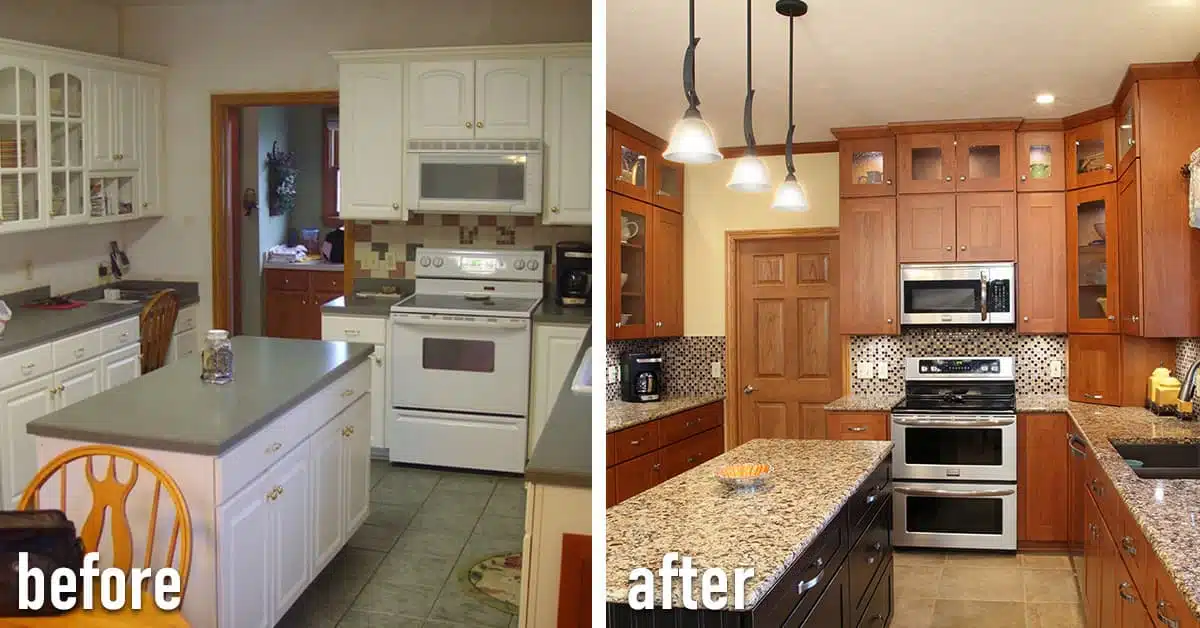
Cabinet refacing takes a more eco-friendly approach to kitchen remodels. Instead of tearing out your entire cabinetry, it keeps much of the existing cabinet boxes intact. After all, these components remain functional for decades in most homes, eliminating a major source of renovation waste.
Contractors will primarily cover or replace visible components, such as cabinet faces, doors, drawer fronts, and hardware, to update the cabinetry’s look without dismantling what already works. Since refacing reduces kitchen demolition waste, it’s a far more environmentally responsible choice for eco-conscious homeowners.
Even better, by removing far fewer materials from your cabinets, your contractor will have to deal with significantly less debris during the project. This translates to fewer disruptions to your home and a cleaner job site.
Fewer Natural Resources Consumed
Building new cabinets requires large amounts of wood, often sourced from hardwood forests – meanwhile, refacing uses far fewer raw materials because the core structure is already in place, allowing for a more sustainable kitchen renovation.
In addition, refacing cabinets with select-grade ¼” solid wood is a practical investment because it lasts longer than materials like laminate or veneer. You don’t have to replace or repair them frequently, minimizing your resource consumption over time.
Lower Manufacturing and Transport Energy Consumption
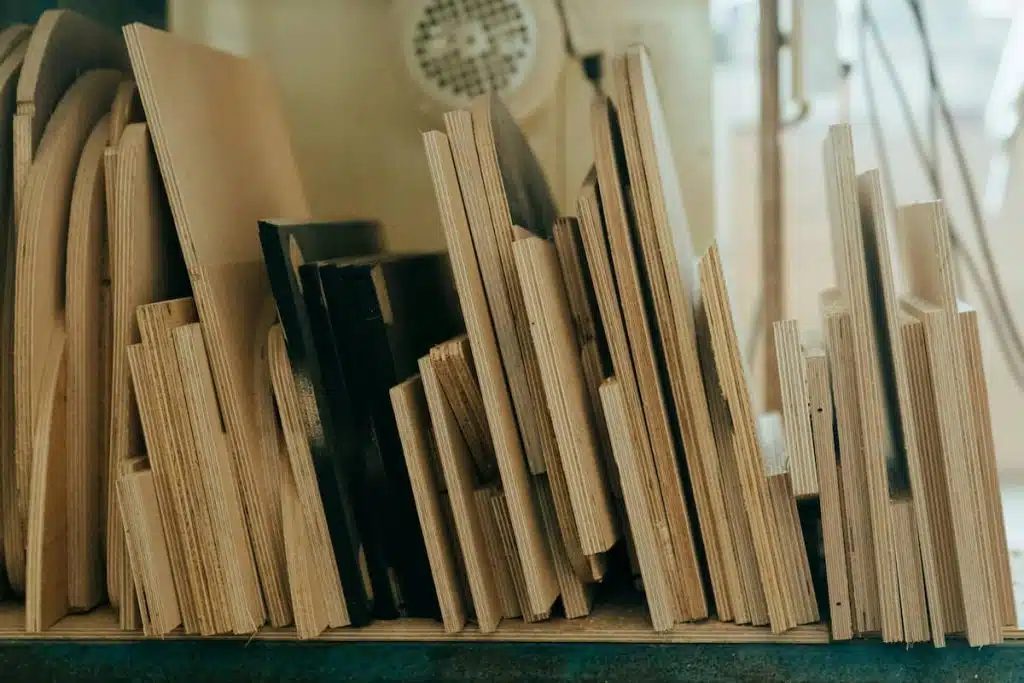
Every brand-new cabinet goes through an energy-intensive process before it ends up at your home:
- Raw materials are harvested
- Wood is milled, processed, and assembled
- Components are finished, packed, and shipped
Each step consumes a sizeable amount of energy.
On the other hand, cabinet refacing reduces most of that process. Because you need fewer new materials, there’s less manufacturing involved and fewer products to transport, reducing the overall carbon footprint of the project.
Cabinet Refacing vs. Replacement: A Resource Comparison
Looking at the comparison table below, the benefits of cabinet refacing in reducing waste becomes more evident. It allows you to elevate your kitchen’s appearance, functionality, and convenience not only at a fraction of the cost of a replacement project, but also with fewer new raw materials, less waste, and a smaller carbon footprint.
| Cabinet Refacing | Full Cabinet Replacement |
| Retains much of the cabinet boxes that are still functional | Removes and disposes of existing cabinet boxes |
| Uses far fewer raw materials throughout the project | Uses significant amounts of raw materials, especially wood, for new cabinet boxes |
| Reduces manufacturing and shipping demands | Full manufacturing cycles for new cabinet boxes, adding to the project’s carbon footprint |
| Seldom affects surrounding structures | Often requires additional materials to fit new cabinet boxes with current kitchen elements and layouts |
| Does not require countertop replacement | Requires countertop replacement, increasing waste and cost |
Eco-Friendly Kitchen Remodeling Without Sacrificing Quality
Choosing the “green,” sustainable approach to kitchen remodeling doesn’t mean you have to settle for mediocre workmanship. High-quality materials and installation practices by a reputable contractor like American Wood Reface allow your refaced cabinets to look, feel, and function like brand-new ones, with:
- Seamless and high-end finishes
- Custom-made-to-fit doors and drawer fronts
- Updated styles to match your design preferences
- Improved functionality and convenience options
- Expanded storage to accommodate equipment and appliances
Select-grade solid wood materials with factory-applied, modern polymer finishes resist wear, maintain their appearance, and provide the kind of durability you’d normally expect from a full renovation.
The Benefits Beyond the Environment
Besides the numerous environmental benefits, it also offers practical benefits you can feel immediately.
Cost Savings
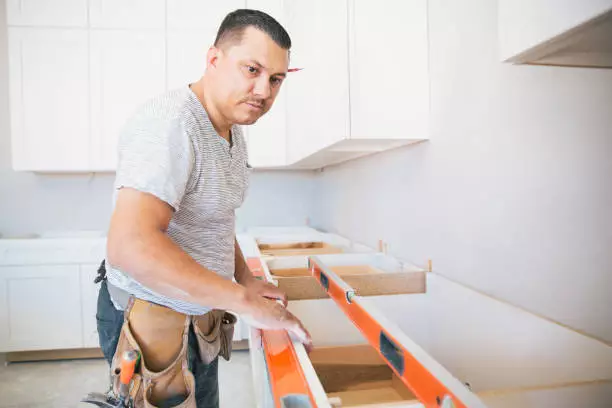
Using fewer materials and avoiding a full demolition can save you considerably more than a complete replacement project. You’ll be investing only in replacing high-impact elements, such as cabinet doors, drawer fronts, and hardware, while preserving much of your cabinet boxes.
Time Savings
Full kitchen remodels can take months to complete, including demolition, measuring, structural adjustments, material fabrication, installation, repairs to fix issues, and cleanup. Luckily, you can shorten this timeline with solid wood cabinet refacing. By renewing, reconfiguring, and adding elements to existing cabinets rather than replacing your entire cabinetry, you will save time and money.
Less Disruption in Your Home
A full renovation turns your kitchen into a construction zone, with dust and noise everywhere. You’ll also have little to no access to your kitchen space, nor be able to cook meals or wash dishes. Refacing minimizes that disruption by reducing the need for demolition, allowing your home to stay livable and most of your kitchen to remain usable throughout the project.
FAQs
When cabinets are fully replaced, the existing boxes, frames, doors, drawers, hardware and structural components are torn out and discarded—most of which end up in a landfill. Refacing retains the existing cabinet structure, meaning only the doors and drawer surfaces are replaced, and the visible surfaces are covered, with very little being sent to the waste stream and virtually nothing sent unnecessarily.
Yes. Because the majority of existing cabinet boxes are kept in place, significantly less new wood and raw material are needed. This reduces demand on natural resources, lowers the energy required to manufacture new components, and reduces the fuel consumed in transporting those materials to the job site.
Yes. Solid wood is a renewable resource, and when sourced responsibly, it carries a considerably lower environmental footprint than synthetic veneers or composite materials that rely on petrochemicals and non-renewable inputs. Choosing solid wood refacing combines the sustainability of retained cabinets with the long-term durability of a natural material.
Significantly less. A full kitchen cabinet replacement generates substantial demolition debris—old boxes, doors, drawers, shelves, hardware, fasteners, and damaged surrounding materials like trim and flooring that often need replacing once cabinets are removed. Refacing produces a fraction of that debris, making the project cleaner, faster, and far easier on the environment.
Yes, and it is one of the most impactful choices you can make within a sustainable remodel. By retaining the existing cabinet structure, you free up budget and resources to invest in other eco-conscious upgrades—such as energy-efficient appliances, low-VOC paints and finishes, or sustainably sourced countertop materials—without compromising on the overall look and feel of the finished kitchen.
Keep Your Kitchen Remodel Sustainable With American Wood Reface
Want to upgrade your kitchen while reducing waste? Cabinet refacing is the way to go. Done right, it allows you to breathe new life into your cabinetry, enhance the space’s convenience, and add functional features without unnecessarily adding to landfill waste.
So, work with an eco-conscious contractor like American Wood Reface. We offer comprehensive refacing services with various add-ons, such as storage expansions, interior or under-cabinet lighting, cabinet modifications and reconfigurations, and more. Also, we only use 1/4″ select-grade solid wood facing, new custom-made solid wood doors, and superior-quality hardware to elevate your cabinets’ durability and make your kitchen a more convenient and enjoyable space to work in for decades to come.
Ready to remodel smarter and more sustainably? Contact American Wood Reface today to learn how cabinet refacing transforms your kitchen with less waste, less cost, and lasting results.